
Eco-Friendly Gardening — Sustainable Practices for a Greener Future
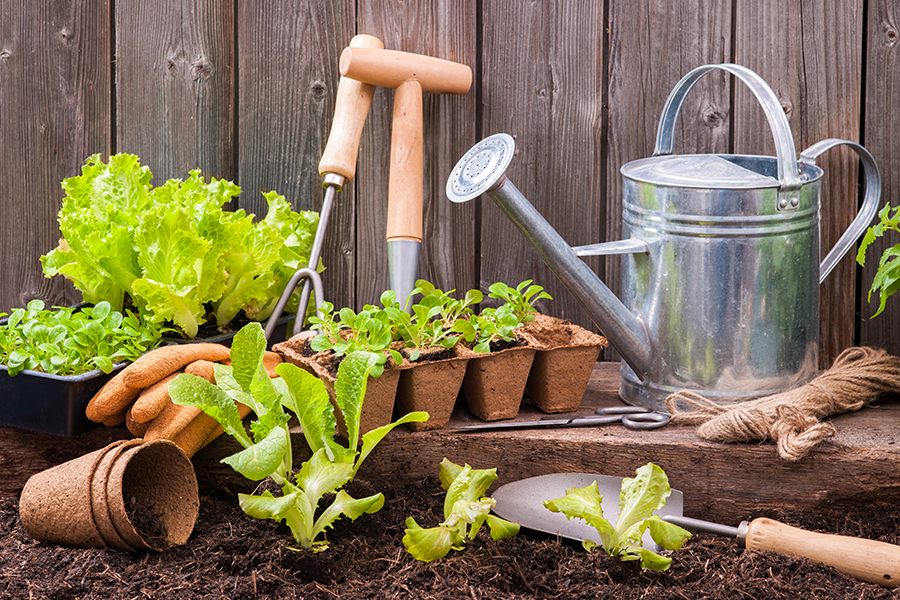
Gardening is more than just a hobby—it’s an opportunity to connect with nature and contribute positively to the environment. Eco-friendly gardening focuses on sustainability, minimizing waste, and working with nature rather than against it.
What is Eco-Friendly Gardening?
Eco-friendly gardening involves practices that conserve resources, protect biodiversity, and reduce environmental impact. It’s about creating a garden that is both beautiful and sustainable.
Soil Health: The Heart of Sustainability
Healthy soil is the foundation of any eco-friendly garden.
Improve Soil Naturally:
- Add compost instead of chemical fertilizers
- Use mulch to retain moisture and prevent erosion
- Practice crop rotation
Composting kitchen waste like vegetable peels and coffee grounds reduces landfill waste while enriching soil.
Water Conservation Techniques
Water is a precious resource, and sustainable gardening uses it wisely.
Smart Watering Methods:
- Drip irrigation systems
- Rainwater harvesting
- Watering early morning or late evening
Mulching also reduces evaporation and keeps soil moist longer.
Choosing Native Plants
Native plants are adapted to local climates and require less water, fertilizer, and maintenance.
Benefits:
- Support local wildlife and pollinators
- Resist pests naturally
- Thrive without excessive care
Avoid invasive species that disrupt local ecosystems.
Organic Pest Control
Chemical pesticides harm beneficial insects, soil health, and even humans.
Natural Alternatives:
- Neem oil
- Garlic spray
- Companion planting (e.g., marigolds repel pests)
Encourage beneficial insects like ladybugs and bees.
Reducing Waste in the Garden
Sustainability means minimizing waste.
Tips:
- Reuse containers and tools
- Compost garden waste
- Avoid single-use plastics
Even old furniture can be repurposed into planters.
Energy Efficiency in Gardening
Gardening can also consume energy, especially with tools and lighting.
Sustainable Choices:
- Use manual tools instead of electric ones
- Install solar garden lights
- Reduce reliance on powered equipment
Growing Your Own Food
One of the most impactful eco-friendly practices is growing your own fruits and vegetables.
Advantages:
- Reduces carbon footprint
- Ensures fresh, chemical-free produce
- Saves money
Start with easy crops like tomatoes, herbs, and leafy greens.
Supporting Biodiversity
A sustainable garden is a thriving ecosystem.
Encourage Wildlife:
- Plant flowering plants for pollinators
- Add bird feeders or water sources
- Create insect habitats
Diverse gardens are more resilient and productive.
Avoiding Synthetic Chemicals
Chemical fertilizers and pesticides may offer quick results but harm long-term soil health.
Switch to:
- Organic fertilizers
- Natural pest control
- Homemade solutions
Final Thoughts
Eco-friendly gardening is not about perfection—it’s about making conscious choices. Even small changes, like composting or reducing water usage, can make a big difference.
By working with nature, you create a garden that is not only beautiful but also beneficial for the planet.

Comments
Comment system coming soon...